
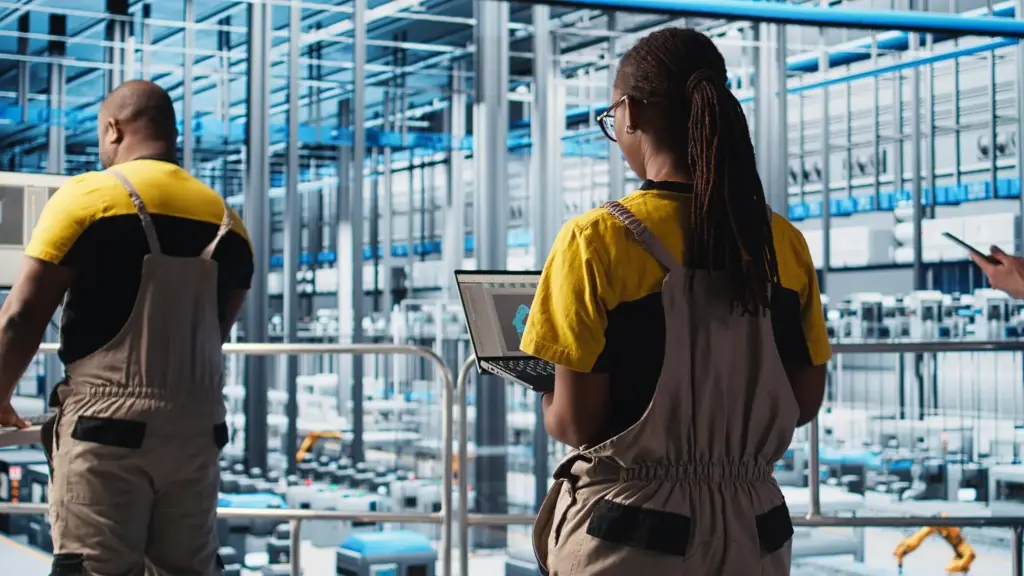




Power to the Line: Building with Low‑Code on the Factory Floor

Join us as we explore Citizen Developer Programs for Frontline Manufacturing Teams, where operators, technicians, and supervisors design practical low-code apps that remove friction from daily work. Learn how governance, training, and the right tools let people closest to the process solve problems faster, boost quality, and raise OEE without waiting in IT queues.

Shop‑Floor Governance That Protects Production

Clear Guardrails, Not Gatekeeping

Establish an allowlist of data sources, approved connectors, and production environments, then empower makers within those lanes. Replace vague rules with explicit design standards, naming conventions, and versioning. People build faster when expectations are transparent, escalation paths exist, and feedback loops feel supportive rather than punitive or bureaucratic.

Security, Compliance, and Data Ownership

Bake role-based access, least-privilege permissions, and data retention into every app from day one. Map flows to ISO 9001, IATF 16949, or GxP requirements where relevant, documenting who owns which tables and dashboards. When privacy, safety, and legal risks are addressed upfront, trust rises and release cycles stay predictable.

Lifecycle, Testing, and Change Control

Adopt dev, test, and production environments with lightweight approvals and automated checks. Smoke-test with real plant scenarios, simulate network drops, and validate handheld ergonomics. A simple changelog, semantic versioning, and rollback steps prevent surprises during shift change, while keeping continuous improvement moving instead of stuck in endless reviews.

Downtime Capture and Root‑Cause Visibility

Replace scribbled codes with a quick-tap app that timestamps stops, prompts standardized reasons, and attaches operator notes or photos. A packaging tech named Rosa built one in a week; maintenance finally saw repeat jams by SKU, adjusted guides, and recovered hours each shift with clear Pareto charts everyone trusted.

Quality Checks and Digital Traceability

Guide inspections with dynamic limits, barcode checks, and camera assistance, then auto-store results in a searchable log. A citizen-built checker flagged drift long before SPC alarms did, alerting a lead who paused the line gracefully. First-pass yield rose, rework shrank, and audits turned from stress to straightforward storytelling.

Safety Observations and Near‑Miss Reporting

A two-tap mobile form with voice notes encourages quick capture without stopping the job. Patterned hotspots trigger proactive countermeasures and nudge supervisors with escalation timers. Over months, near-miss reporting increased, slip hazards were engineered out, and the best ideas came from people who walk that aisle every day.

Choosing the Right Low‑Code Toolkit for Harsh Environments

Factory reality includes gloves, noise, dust, spotty Wi‑Fi, and twelve-hour shifts. Select platforms that handle offline sync, camera input, barcode scanning, and rugged devices gracefully. Favor connectors to MES, ERP, historians, and QMS systems, while keeping interfaces glanceable and thumb-friendly to win adoption on the busiest days.
When steel and concrete swallow signals, apps must queue transactions locally and reconcile flawlessly later. Test brutal conditions: grease, cold, bright light, vibration. A tablet with hot-swappable batteries, glove-friendly screens, and drop protection beats sleek hardware that breaks. Reliability builds belief, and belief fuels continuous use and iteration.
Connect to the historian for time-series signals, pull production orders from ERP, and push quality holds into MES. Use caching and rate limits so citizen apps never burden critical systems. Document contracts for field names and units, preventing silent breaks when upstream changes land at 2 a.m. before startup.

Growing Makers: Training Paths and Peer Support

Skills accelerate when learning feels relevant and immediate. Teach fundamentals with real plant data, not abstract examples, then pair makers with mentors who understand both process and platforms. Celebrate small releases, host weekly office hours, and keep documentation living so new builders can contribute without fear or friction.

Starter Workshops With Real Workflows

Begin with a half-day build using yesterday’s downtime notes and today’s orders. Participants leave with a working app and a backlog of improvements. The quick win rewires expectations: change can happen in days, not quarters, and the best ideas often come from the newest voices on the line.

Mentors, Champions, and Office Hours

Create a rotating roster of go-to helpers: a quality champion, an IT liaison, a maintenance lead. Weekly office hours field questions, review designs, and share snippets. Makers learn faster together, avoid duplicate efforts, and courageously tackle harder problems once they know they are never building alone.

Recognition, Incentives, and Fair Workload

Give builders time during shifts, not nights and weekends. Recognize shipped solutions in daily huddles and reward measurable impact. Tie participation to development plans so growth is visible to managers. Sustained programs protect maker energy, prevent burnout, and keep curiosity alive long after the first hero app ships.

Driving Adoption and Change on the Floor

Co‑Design From Day One

Invite a cross-shift crew to sketch screens over coffee. Ask, “Where do you lose time?” Build the first version together, deploy on a single station, and iterate within a week. When ownership is shared, adoption feels natural, because the solution already sounds like the way people actually speak.

Leaders Remove Blockers, Not Autonomy

Supervisors and managers clear paths for access, devices, and data, then let makers experiment within guardrails. Publicly protect time for learning and vendor conversations. When teams see leaders trusting frontline judgment, creativity compounds, and quiet innovators step forward with ideas that were waiting for permission to be heard.

Communicate Wins With Numbers and Names

Replace abstract slides with real before-and-after charts, quick videos, and operator quotes. Share that Jamal’s changeover checklist saved seven minutes, or Priya’s sensor checklist caught three leaks. Stories spread faster than memos, recruiting new builders and sparking healthy competition that lifts throughput, safety outcomes, and morale together.

Measuring Value and Scaling Sustainably

Tie each app to a clear target: OEE delta, first-pass yield, changeover minutes, scrap rate, or near-miss volume. Build dashboards that update by shift and cell so improvements are visible immediately. When metrics are tangible and timed, momentum survives setbacks and priorities stay honest during busy seasons.
Use templates, shared connectors, and a design system to speed compliant building. Automate checks for PII, approvals, and performance. A quarterly portfolio review replaces endless ad hoc debates, surfacing risks early. Makers feel supported, not policed, and leadership gets clarity on investment, redundancy, and strategic coverage across sites.
Start with tiny budgets tied to near-term gains, then reinvest savings into broader rollout. Maintain a living roadmap that blends quick wins with platform upgrades. Invite readers to comment with their best shop-floor headaches and subscribe for playbooks; your next breakthrough might begin with a simple, shared story.
Laxipexiravosentodexo
Privacy Overview

This website uses cookies so that we can provide you with the best user experience possible. Cookie information is stored in your browser and performs functions such as recognising you when you return to our website and helping our team to understand which sections of the website you find most interesting and useful.