Effortless, Error‑Proof Assembly with No‑Code Digital Instructions
Discover how no-code digital work instructions modernize assembly lines by translating complex procedures into interactive, visual steps deployable in minutes. This guide introduces our selected focus: no‑code digital work instructions for assembly lines, highlighting faster onboarding, fewer defects, instant updates, and measurable productivity gains.
What No‑Code Brings to the Factory Floor
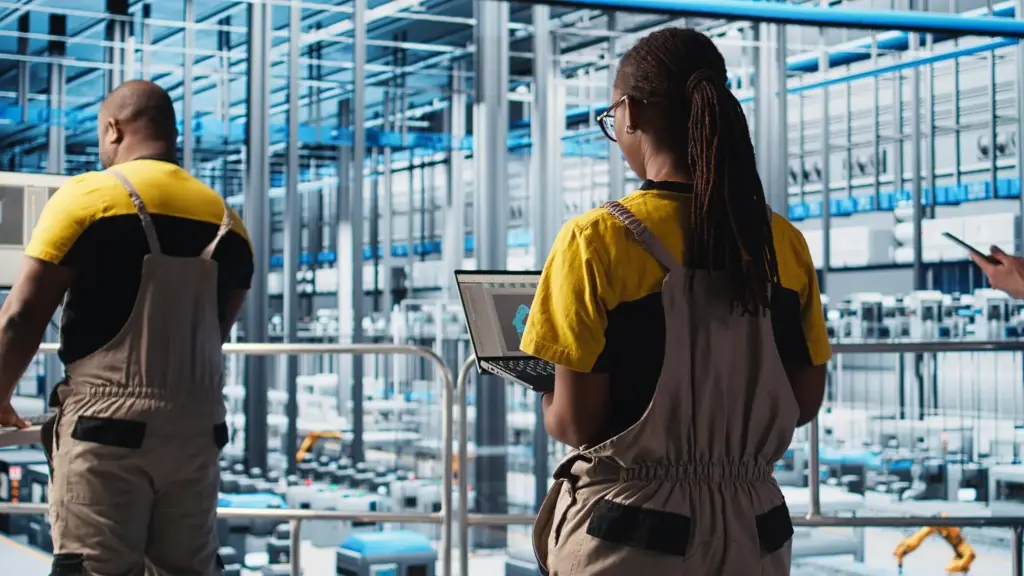
Remove the bottleneck of custom development and empower engineers, technicians, and line leaders to build interactive instructions in hours, not weeks. With visual editors, reusable blocks, and instant deployment to tablets or workstations, standards finally live where work happens. Operators receive precise guidance, supervisors gain live visibility, and IT appreciates secure governance without constant backlog pressure.
Craft step sequences by arranging blocks for text, photos, videos, timers, sensors, and checks, without writing code or opening tickets. Subject‑matter experts iterate immediately, capture tribal knowledge, and standardize best practices, while version control preserves history and enables confident experimentation during real production shifts.
Replace dense paragraphs with annotated photos, zoomable diagrams, and short clips that highlight finger placements, torque direction, or connector orientation. Visual cues reduce ambiguity, improve recall, and speed decisions, especially for new hires or multilingual teams working under pressure on takt‑critical stations.
Designing Clear, Visual Steps that Reduce Defects
{{SECTION_SUBTITLE}}

Poka‑Yoke Built Into Every Step
Integrate scanners, smart tools, and photo confirmations so incorrect parts, reversed polarities, or missing fasteners are caught before they travel downstream. Mandatory checks, torque thresholds, and go/no‑go logic prevent silent failures, while exception paths document issues, trigger alerts, and route rework with complete context for quick, correct resolution.

Conditional Paths and Product Variants
Guide operators through exactly the steps relevant to a serial number, configuration, or customer option by branching screens automatically. Fewer distractions mean better focus, while accurate part picks and torque specs follow the context, preventing memory slips and eliminating the risky reliance on laminated notes taped to kiosks.


Onboarding Faster and Keeping Skills Fresh
From First Day to First Good Part
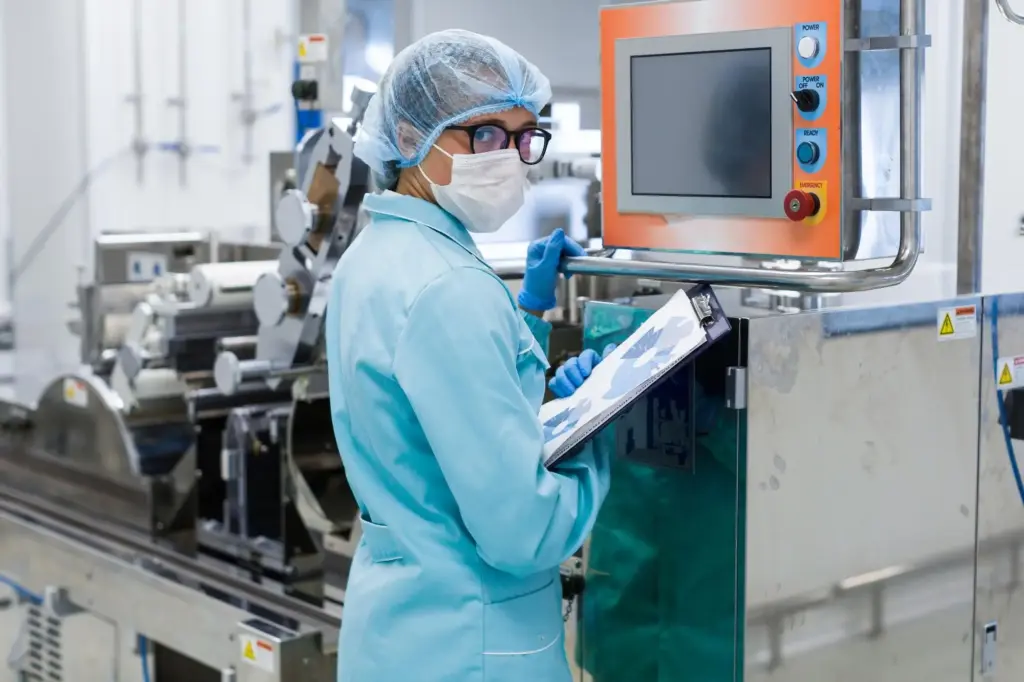
Pair learners with guided stations that pace each action, verify correctness, and celebrate milestones. Most importantly, combine safe practice modes with production‑ready sequences, so progression feels natural. Teams report shortened time‑to‑competency, better morale, and fewer early errors that previously rippled across schedules and customer deliveries.
Learning by Doing, with Feedback Loops
Inline tips, hints, and gentle nudges transform mistakes into teachable moments. When an operator hesitates, context‑sensitive help appears, while supervisors receive pattern insights to refine instructions. This virtuous loop builds mastery, reduces supervision load, and keeps productivity steady even as product mix and staffing change.
Reducing Cognitive Load with Smart Design
Chunk steps, reveal information progressively, and maintain consistent layouts so attention stays on the task, not the interface. Icons, color, and motion guide the eye deliberately. These human‑factors choices decrease fatigue, enabling safer repetition through long shifts and complex assemblies that demand unwavering concentration.


Data, Traceability, and Relentless Improvement
Every confirmation, scan, signature, and measurement becomes structured data. Dashboards expose cycle time drifts, step bottlenecks, and defect hotspots by station or variant. With evidence in hand, teams prioritize improvements confidently, run experiments safely, and prove impact through statistically meaningful gains in throughput, first‑pass yield, and rework avoidance.
Integrations, Scale, and Community Momentum
Connect instructions to MES, ERP, QMS, and smart tools through APIs, webhooks, and secure identities, while scaling confidently across sites and languages. Standardize foundations, localize details, and invite operators to shape improvements. Share outcomes, ask questions, and subscribe for updates as we explore practical patterns and hard‑won lessons together.
Connecting Systems and Machines
Integrate torque tools, vision checks, and pick‑to‑light with instruction logic, so confirmation is automatic and data lands in the right records. ERP provides orders and components, MES tracks progress, and QMS receives deviations, minimizing swivel‑chair work and giving leadership real‑time visibility they can act on.
Scaling Across Sites, Securely
Use roles, permissions, and single sign‑on to protect sensitive processes while enabling collaboration. Templates accelerate global rollouts, while localization accommodates regional rules and languages. Central governance sets the guardrails; site teams adapt responsibly, keeping consistency high without stifling the creativity needed for local excellence.